




Portal Hypertension: Causes, Symptoms, Complications & Treatment Options
Introduction
Portal hypertension is a medical condition characterized by increased blood pressure in the portal venous system, which carries blood from the digestive organs to the liver. It commonly develops due to liver diseases, particularly cirrhosis, and can lead to serious complications if left untreated. Understanding its causes, symptoms, and available treatment options is essential for early diagnosis and effective management.
People experiencing persistent liver-related symptoms should consult an experienced liver specialist for proper evaluation. Seeking guidance from specialists associated with the Best liver transplant in sector 128 noida can help patients understand their condition and explore appropriate treatment options.
What Is Portal Hypertension?
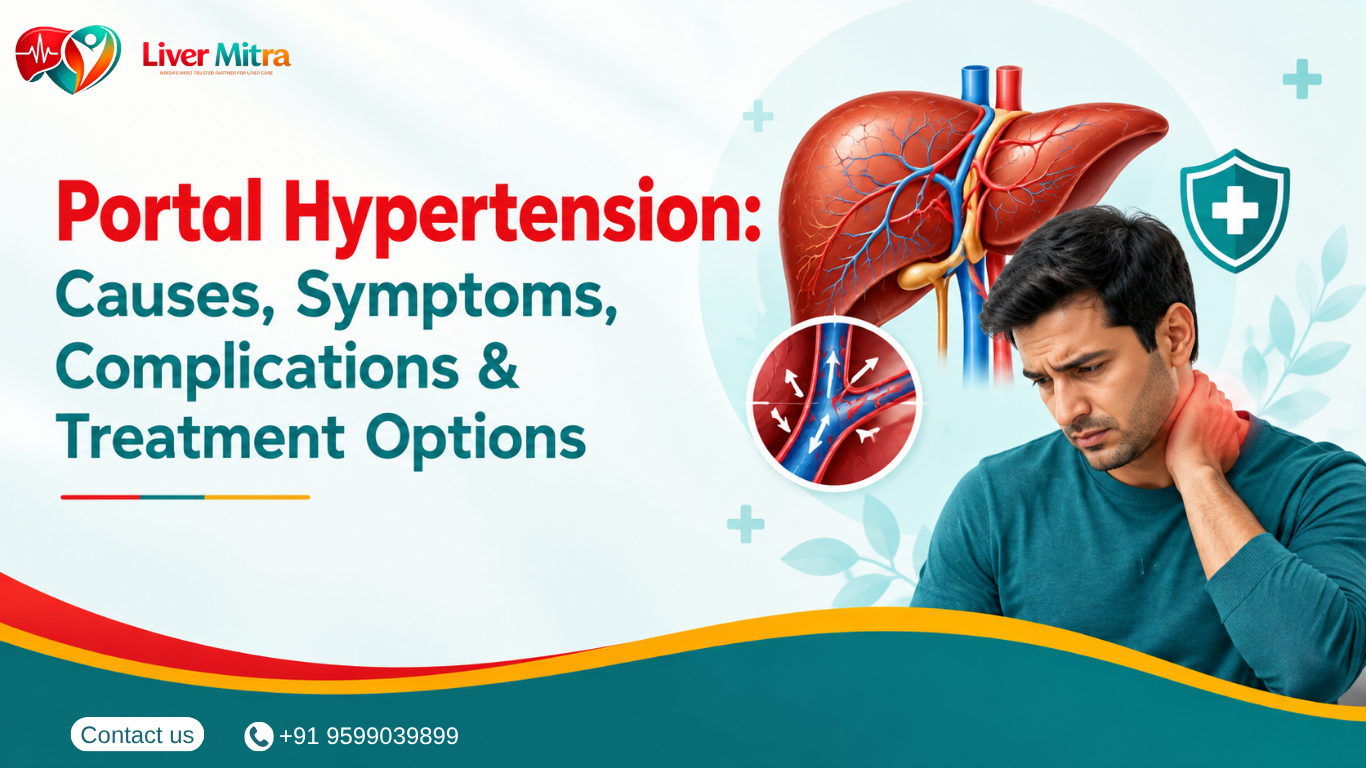
The portal vein transports blood from the stomach, intestines, pancreas, and spleen to the liver for processing. When blood encounters resistance while flowing through the liver, pressure within the portal vein increases, resulting in portal hypertension.
This increased pressure may cause blood to flow through alternative veins, leading to enlarged blood vessels called varices. These veins can rupture and cause life-threatening bleeding. Portal hypertension is frequently associated with advanced liver disease, making early medical attention particularly important.
Consulting specialists at a centre offering the Best liver transplant in sector 128 noida can help patients receive an appropriate diagnosis and an individualized management plan.
Causes of Portal Hypertension
Portal hypertension can develop due to several conditions that obstruct or restrict blood flow through the portal venous system.
1. Liver Cirrhosis: Cirrhosis is one of the most common causes. Long-term liver damage creates scar tissue that interferes with normal blood circulation through the liver.
2. Chronic Hepatitis: Hepatitis B and C can cause persistent liver inflammation, potentially leading to fibrosis and cirrhosis.
3. Alcohol-Related Liver Disease: Excessive alcohol consumption over time can damage liver cells and increase the risk of cirrhosis.
4. Metabolic Dysfunction-Associated Steatotic Liver Disease (MASLD): Fat accumulation in the liver can progress to inflammation, fibrosis, and cirrhosis in some individuals.
5. Blood Clots: Thrombosis in the portal vein or certain liver blood vessels can obstruct blood flow and increase pressure.
6. Other Conditions: Less common causes include schistosomiasis in affected regions and certain vascular or congenital disorders.
For patients with advanced liver disease, consultation with a team experienced in the Best liver transplant in sector 128 noida may help determine whether medical management, an interventional procedure, or transplant evaluation is appropriate.
Symptoms of Portal Hypertension
Portal hypertension may not cause noticeable symptoms in its early stages. Symptoms often develop when complications appear.
Common signs include:
- Abdominal swelling: Fluid accumulation in the abdomen, known as ascites.
- Swelling in the legs: Fluid retention may cause ankle and leg swelling.
- Vomiting blood: This can indicate bleeding from enlarged veins in the oesophagus or stomach.
- Black, tarry stools: These may indicate bleeding in the digestive tract.
- Easy bruising or bleeding: Advanced liver disease may affect blood clotting.
- Enlarged spleen: Increased pressure can cause the spleen to become enlarged.
- Confusion or drowsiness: These may indicate hepatic encephalopathy, a complication associated with impaired liver function.
Vomiting blood, black stools, fainting, or severe weakness requires immediate emergency medical attention.
Complications of Portal Hypertension
If portal hypertension is not adequately managed, it can result in several serious complications.
1. Oesophageal and Gastric Varices: Enlarged veins in the oesophagus or stomach may rupture and cause severe internal bleeding.
2. Ascites: Fluid accumulation in the abdomen can cause discomfort, breathing difficulties, and an increased risk of infection.
3. Splenomegaly: Enlargement of the spleen may reduce circulating platelet counts and contribute to bleeding risks.
4. Hepatic Encephalopathy: The buildup of substances normally processed by the liver can affect brain function, causing confusion and changes in alertness.
5. Spontaneous Bacterial Peritonitis: Infection of the fluid within the abdomen can become life-threatening without prompt treatment.
6. Kidney Dysfunction: Advanced liver disease may affect kidney function and, in severe cases, lead to hepatorenal syndrome.
Patients with these complications may benefit from assessment by a multidisciplinary liver care team. Specialists associated with the Best liver transplant in sector 128 noida can help assess disease severity and identify suitable treatment pathways.
Diagnosis of Portal Hypertension
Doctors use medical history, physical examination, blood tests, and imaging studies to investigate portal hypertension and its underlying cause.
Common diagnostic methods include:
- Blood tests: Assess liver function, blood counts, clotting, and kidney function.
- Ultrasound with Doppler: Evaluates blood flow in the portal vein and checks for abnormalities.
- CT or MRI scans: Help identify structural changes, blood clots, and complications.
- Upper gastrointestinal endoscopy: Detects enlarged veins in the oesophagus or stomach.
- Liver stiffness assessment or biopsy: May help evaluate fibrosis and the underlying liver disease when indicated.
The diagnostic approach depends on the patient's symptoms, medical history, and suspected cause.
Treatment Options for Portal Hypertension
Treatment aims to reduce the risk of complications, manage existing symptoms, and address the underlying liver condition.
1. Medications: Non-selective beta-blockers, such as carvedilol or propranolol, may be prescribed to lower portal pressure and reduce the risk of variceal bleeding in suitable patients.
2. Endoscopic Treatment: Endoscopic variceal band ligation can help prevent or control bleeding from oesophageal varices.
3. Ascites Management: Treatment may include dietary sodium restriction, prescribed diuretics, and therapeutic paracentesis to remove excess abdominal fluid.
4. Treating the Underlying Cause: Management may involve treating viral hepatitis, avoiding alcohol, and addressing metabolic conditions under medical supervision.
5. TIPS Procedure: A transjugular intrahepatic portosystemic shunt (TIPS) creates a channel within the liver to reduce portal pressure. It may be recommended for selected patients with severe or difficult-to-control complications.
6. Liver Transplantation: For eligible patients with advanced liver failure or certain severe complications, liver transplantation may offer a definitive treatment for the underlying liver disease. Evaluation depends on overall health, disease severity, and transplant eligibility.
Patients researching the Best liver transplant in sector 128 noida should look for experienced transplant specialists, multidisciplinary care, appropriate diagnostic facilities, and comprehensive post-transplant follow-up. The Best liver transplant in sector 128 noida is a search phrase, not a formal medical ranking, so patients should assess centres based on their individual needs and verified credentials.
When Should You Consult a Liver Specialist?
Seek medical advice if you experience persistent abdominal swelling, jaundice, unexplained fatigue, or other symptoms associated with liver disease. Patients with known cirrhosis should follow their doctor's recommendations for regular monitoring and screening for varices and liver cancer.
If you are exploring the Best liver transplant in sector 128 noida, discuss your diagnosis, treatment options, expected benefits, risks, and long-term care requirements with a qualified liver specialist. Early assessment can help prevent complications and support better disease management.
Frequently Asked Questions (FAQs)
1. What is the main cause of portal hypertension?
Cirrhosis is the most common cause. Scarring of the liver increases resistance to blood flow through the organ, raising pressure in the portal venous system.
2. What are the early symptoms of portal hypertension?
Early portal hypertension may not produce noticeable symptoms. Some patients develop an enlarged spleen, low platelet counts, or enlarged veins in the oesophagus before experiencing more obvious symptoms.
3. Can portal hypertension be cured?
Treatment depends on the underlying cause and severity. Managing the liver disease and preventing complications can improve outcomes. In selected patients, liver transplantation may treat the underlying advanced liver failure, although it involves significant evaluation and long-term follow-up.
4. Is portal hypertension life-threatening?
It can be life-threatening, particularly when it causes variceal bleeding, severe ascites, infection, or hepatic encephalopathy. Prompt medical treatment and regular monitoring can reduce the risk of serious complications.
5. When is a liver transplant recommended for portal hypertension?
A liver transplant may be considered when portal hypertension occurs alongside advanced liver failure or certain severe complications that cannot be adequately controlled with other treatments. A transplant specialist determines eligibility after a comprehensive evaluation.

