




Viral Hepatitis
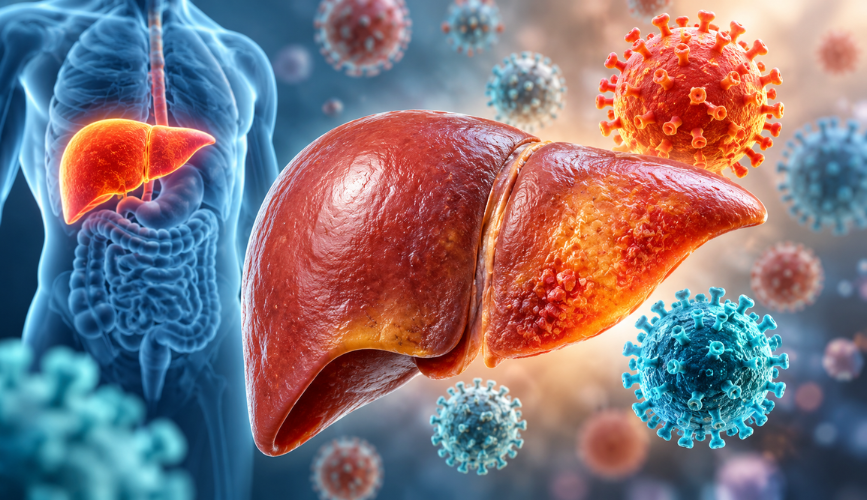
Viral hepatitis is a liver infection caused by one of several hepatitis viruses. The infection inflames the liver and, if it persists, can damage it permanently. It affects millions of people in India and worldwide, and many are unaware they are infected.
Types of Viral Hepatitis
- Hepatitis A: Spread through contaminated food or water. It causes acute illness, usually recovers completely and does not become chronic.
- Hepatitis B: Spread through blood, unprotected sex and from mother to baby at birth. It can be acute or chronic.
- Hepatitis C: Spread mainly through blood, such as unsafe injections, unsterilised equipment or unscreened transfusions. It often becomes chronic.
- Hepatitis D: Occurs only in people who already have hepatitis B and can make the disease more severe.
- Hepatitis E: Spread through contaminated water, similar to hepatitis A. It is usually self-limiting but can be dangerous in pregnancy and in people with existing liver disease.
Symptoms
Many people have no symptoms for years, especially with hepatitis B and C. When symptoms occur, they may include:
- Fatigue and weakness
- Nausea, vomiting and loss of appetite
- Fever and body aches
- Dark urine and pale stools
- Yellowing of eyes and skin (jaundice)
- Pain or discomfort in the upper right abdomen
Acute and Chronic Hepatitis
Acute hepatitis is the early infection, lasting up to six months. Most adults with hepatitis A and E recover fully with rest, fluids and supportive care. Chronic hepatitis means the virus remains in the body for more than six months. Chronic hepatitis B and C may silently cause fibrosis, cirrhosis or liver cancer over many years.
How Is It Diagnosed?
- Serological tests: HBsAg, anti-HBs, anti-HBc, anti-HCV, IgM anti-HAV and IgM anti-HEV
- Viral load tests: HBV DNA and HCV RNA measure the amount of virus
- Liver function tests: Assess inflammation and liver health
- Ultrasound and FibroScan: Look for fibrosis or cirrhosis
- Genotyping and other tests: Used in selected cases to plan therapy
Treatment
- Hepatitis A and E: Mostly supportive care, hydration, nutrition and avoiding alcohol and unnecessary medicines. Severe cases need hospital care.
- Hepatitis B: Not all patients need treatment immediately. Those who qualify take oral antiviral medicines that suppress the virus, reduce liver damage and lower cancer risk. Treatment is often long-term and must never be stopped without medical advice.
- Hepatitis C: Modern direct-acting antiviral tablets, usually taken for 8 to 12 weeks, cure the majority of patients.
- Hepatitis D: Managed by specialists, with treatment options depending on availability and disease severity.
Prevention
- Vaccination: Safe and effective vaccines exist for hepatitis A and B. All newborns, children and at-risk adults should be vaccinated.
- Safe water and food: Drink clean water, wash hands and eat properly cooked food.
- Safe injections and blood: Use sterile, single-use needles and insist on screened blood products.
- Safe practices: Use barrier protection and avoid sharing razors, toothbrushes or needles.
- Screening pregnant women: Testing during pregnancy lets doctors protect newborns with timely vaccination and, when needed, immunoglobulin.
Who Should Get Tested?
- Anyone with unexplained abnormal liver tests or jaundice
- Family members and partners of infected persons
- Pregnant women
- Patients undergoing dialysis, surgery, chemotherapy or immunosuppression
- People who have received transfusions or unsafe injections in the past
- Healthcare workers and people with high-risk exposure
Living With Chronic Hepatitis
Patients with chronic hepatitis need regular follow-up, including blood tests, viral load monitoring and periodic ultrasound. Those with cirrhosis or certain risk factors need liver cancer screening every six months. Avoiding alcohol, maintaining a healthy weight and taking prescribed medicines consistently protect the liver and improve outcomes. With modern treatment, most patients live long and healthy lives.
Complications If Untreated
Chronic viral hepatitis can lead to liver fibrosis, cirrhosis, ascites, variceal bleeding, hepatic encephalopathy, liver failure and hepatocellular carcinoma. Early diagnosis and treatment greatly reduce these risks.

