




Auxiliary Liver Transplant
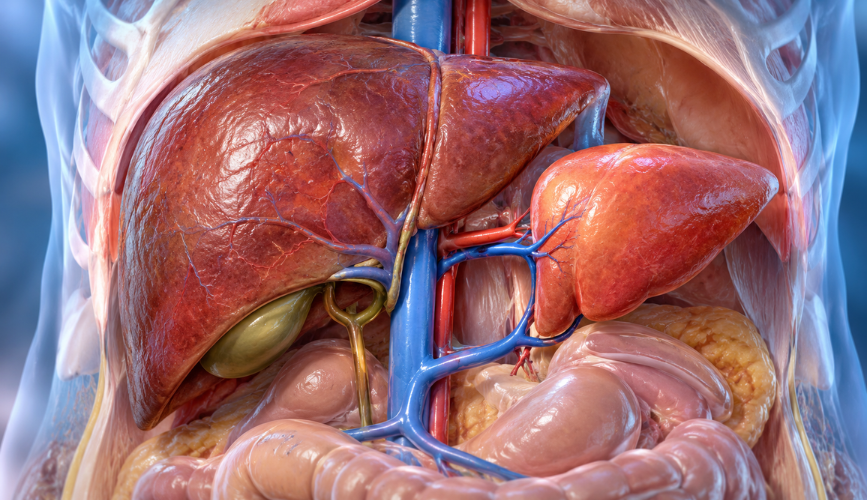
Auxiliary liver transplant is a technique in which a partial liver graft from a donor is implanted to work alongside the patient's own liver. In a standard transplant, the entire diseased liver is removed. In an auxiliary transplant, all or part of the native liver is left in place, and the donor graft provides the function the body needs. This approach is used only in carefully selected patients and requires advanced surgical expertise.
Why Is It Done?
The concept rests on two ideas:
- Recovery of the native liver: In some cases of acute liver failure, the patient's own liver can regenerate if given time. The auxiliary graft supports life during this period, and once the native liver recovers, immunosuppression may be gradually withdrawn so the graft can shrink.
- Correcting a metabolic defect: In certain inherited metabolic diseases, the liver structure is otherwise normal but one enzyme or function is missing. A partial graft can supply the missing function while the native liver continues its other work.
Types of Auxiliary Liver Transplant
- Auxiliary partial orthotopic liver transplant (APOLT): Part of the native liver is removed and a partial graft is placed in the same position. This is the most commonly discussed form.
- Heterotopic auxiliary transplant: The graft is placed in a different location, without removing the native liver. This is now rarely used because of technical challenges and variable outcomes.
The choice depends on the disease, anatomy, graft availability and surgical experience.
Who May Be a Candidate?
Auxiliary transplant is considered in selected situations, including:
- Acute or fulminant liver failure in patients, often younger, in whom liver regeneration is likely
- Certain metabolic conditions, such as some urea cycle disorders, Crigler-Najjar syndrome and some forms of hyperoxaluria or familial hypercholesterolemia, where the underlying liver is largely normal
- Selected pediatric patients where preserving the native liver may offer long-term advantages
It is generally not suitable for patients with advanced cirrhosis, liver cancer or conditions where the native liver is unlikely to recover or function.
The Evaluation Process
Evaluation includes blood tests, imaging, metabolic and genetic testing where relevant, and assessment of the likelihood of native liver recovery. A multidisciplinary committee reviews each case, weighing the pros and cons of auxiliary versus conventional transplant. Because acute liver failure can worsen rapidly, decisions are often made urgently in a critical-care setting.
The Surgical Procedure
During surgery, the surgeon removes a portion of the native liver, usually the left or right lobe, to make room for the graft. The donor graft, from either a living or deceased donor, is then connected to the recipient's blood vessels and bile duct. The remaining native liver stays in place to regenerate or continue functioning. The procedure is technically demanding because both livers must receive adequate blood flow and bile drainage.
Potential Benefits
- The native liver is preserved, which may allow recovery
- Possibility of withdrawing immunosuppression in some patients, reducing long-term medication side effects
- Provides the missing function in selected metabolic diseases
- May avoid removal of an otherwise healthy liver
- Can serve as a bridge while the native liver regenerates
Risks and Limitations
Auxiliary transplant is more complex than standard transplant. Risks include bleeding, infection, vascular problems, bile leaks, and competition for blood flow between the native liver and the graft, which can lead to graft atrophy. Not all patients recover native liver function, and some may still require a later conventional transplant. Because it is performed in relatively few cases, experience and careful selection are essential to good outcomes.
Recovery and Follow-Up
Recovery begins in the intensive care unit with close monitoring of both livers. Immunosuppressive medicines are started, and regular imaging and blood tests track graft function and native liver recovery. If the native liver recovers well, the team may slowly reduce immunosuppression under close supervision. Patients must not stop medicines on their own. Long-term follow-up is important to monitor graft health and prevent complications.
Our Approach
Our program brings together transplant surgeons, hepatologists, intensivists, pediatric specialists, metabolic experts and coordinators to assess whether auxiliary transplant is appropriate. We are transparent about the benefits, uncertainties, and alternatives, so patients and families can decide with confidence.
Speak to a Specialist
If you or a loved one has acute liver failure or a metabolic liver disorder, consult our team promptly. Early evaluation helps identify the safest and most effective transplant strategy.

