




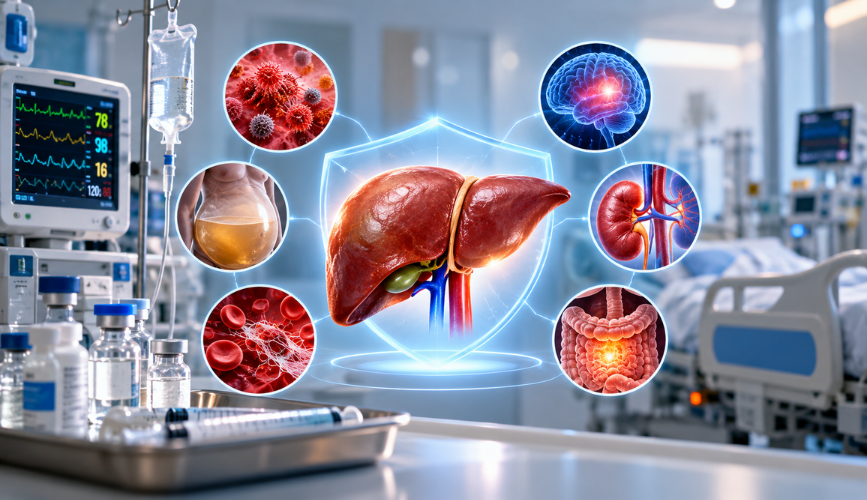
Management of Complications
In cirrhosis, scarring blocks blood flow through the liver, raising pressure in the portal vein (portal hypertension), while the liver's failing function allows toxins to build up. Together these changes cause the major complications of cirrhosis. The development of any of them marks the shift from compensated to decompensated disease and should prompt review of the whole treatment plan, including transplant.
Ascites
Ascites is fluid accumulation in the abdomen.
- Treatment: Salt restriction, diuretics (spironolactone with or without furosemide), and large-volume paracentesis with albumin for tense ascites.
- Refractory ascites: May need repeated paracentesis, TIPS in selected patients or transplant assessment.
- Avoid: NSAIDs and unnecessary fluid restriction.
- Warning signs: Rapid weight gain, tight swollen abdomen, breathlessness or fever.
Spontaneous Bacterial Peritonitis (SBP)
Infection of ascitic fluid can occur without an obvious source and may cause only mild symptoms. Diagnosis needs a sample of the fluid. Treatment is prompt antibiotics with albumin, and some patients need long-term preventive antibiotics.
Variceal Bleeding
Enlarged veins in the food pipe or stomach can rupture, causing vomiting of blood or black stools.
- Emergency care: Resuscitation, vasoactive drugs, antibiotics and urgent endoscopy with band ligation.
- Prevention: Screening endoscopy in cirrhosis, followed by beta-blockers or scheduled band ligation for varices at risk.
- Rescue options: TIPS or other radiological procedures for bleeding that is not controlled.
Hepatic Encephalopathy
Toxins such as ammonia can affect the brain, causing confusion, sleep reversal, tremor, slurred speech and, in severe cases, coma.
- Treatment: Find and treat triggers such as infection, bleeding, constipation, dehydration, sedatives, electrolyte imbalance or excess diuretics. Lactulose is the mainstay, with rifaximin to prevent recurrence.
- Family role: Watch for early changes and ensure the patient takes medicines.
- Safety: Avoid driving until the doctor permits.
Hepatorenal Syndrome and Kidney Injury
Kidney function can decline because of changes in blood circulation in advanced cirrhosis. Doctors stop diuretics and harmful drugs, give albumin, use vasoconstrictors such as terlipressin and consider dialysis or combined transplant when needed.
Hyponatraemia and Electrolyte Problems
Low blood sodium is common in cirrhosis and is linked with poorer outcomes. Management depends on severity and may include stopping diuretics, careful fluid management and albumin. Correction should be gradual under medical supervision. Potassium and magnesium levels also need monitoring.
Portal Vein Thrombosis
Clots in the portal vein can worsen portal hypertension. Depending on the situation, treatment may include anticoagulants, and specialists weigh this carefully against bleeding risk.
Coagulation and Bleeding
Abnormal clotting tests in cirrhosis do not always mean a high bleeding risk, because the body loses both clotting and anticlotting factors. Blood products are used when there is active bleeding or before high-risk procedures, guided by specialists rather than by numbers alone.
Hepatopulmonary Syndrome and Portopulmonary Hypertension
Some patients develop low oxygen levels or high pressure in the lung arteries. These are assessed by specialist tests, and treatments, including oxygen, medicines and transplant, are considered.
Liver Cancer (HCC)
Cirrhosis raises the risk of hepatocellular carcinoma. Ultrasound with or without AFP every six months allows early detection. Treatment includes ablation, embolisation, resection, transplant, radiotherapy and systemic drugs, depending on the stage.
Infections and Malnutrition
Infections such as pneumonia, urinary tract infection and cellulitis can trigger sudden deterioration and should be treated early. Malnutrition and sarcopenia need active nutritional care.
Preventing Complications
- Treat the underlying cause of liver disease
- Take medicines regularly, including beta-blockers and lactulose if prescribed
- Attend screening endoscopy and six-monthly ultrasound
- Avoid alcohol, NSAIDs and sedatives
- Follow a low-salt, adequate-protein diet
- Vaccinate and treat infections early
- Monitor weight, urine output and mental state at home
When to Seek Emergency Care
Go to a hospital immediately for vomiting blood, black stools, confusion, drowsiness, fever with abdominal pain, sudden reduction in urine, severe breathlessness or sudden worsening of swelling.
Transplant Referral
The first major complication should prompt discussion of liver transplantation. Early referral leads to better preparation, and many patients need time to evaluate donors, optimise nutrition and treat other conditions.

