




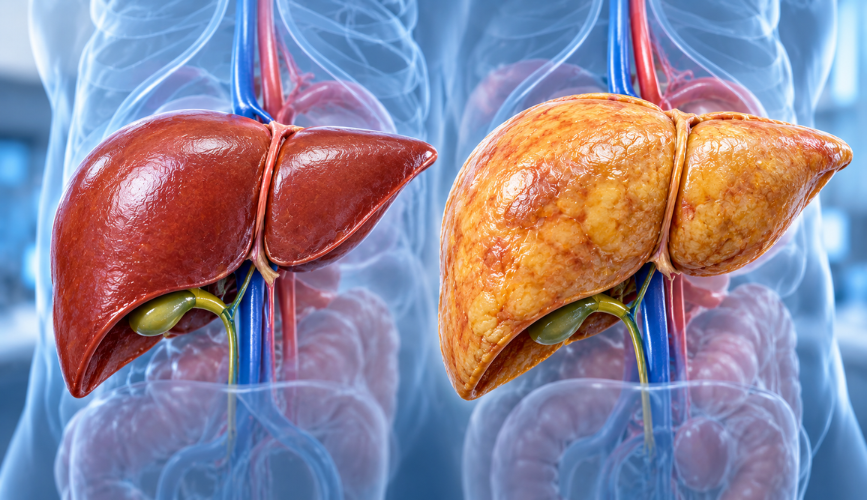
Fatty Liver Disease
Fatty liver disease, also called hepatic steatosis, is a condition in which fat makes up more than about 5 to 10 percent of the liver's weight. A healthy liver contains a small amount of fat, but too much interferes with its normal work of processing nutrients, filtering toxins and producing proteins.
There are two main types:
- Metabolic dysfunction-associated steatotic liver disease (MASLD): Previously called NAFLD, this is linked to metabolic risk factors and is not caused by heavy alcohol use.
- Alcohol-related liver disease (ALD): Fat accumulation caused by regular, excessive alcohol intake.
Stages of Fatty Liver
Fatty liver usually progresses slowly:
- Simple fatty liver (steatosis): Fat accumulates without significant damage.
- Steatohepatitis (MASH/NASH): Fat is accompanied by inflammation and liver cell injury.
- Fibrosis: Repeated inflammation causes scar tissue to form.
- Cirrhosis: Extensive scarring changes the structure of the liver and reduces its function.
- Liver cancer: A small proportion of patients with advanced disease may develop hepatocellular carcinoma.
Causes and Risk Factors
- Overweight or obesity, especially fat around the abdomen
- Type 2 diabetes or prediabetes
- High cholesterol or triglycerides
- High blood pressure and metabolic syndrome
- Sedentary lifestyle and diets rich in refined carbohydrates, sugary drinks and fried food
- Excessive alcohol intake
- Polycystic ovary syndrome, sleep apnea and rapid weight loss
- Certain medicines and family history
Fatty liver can also occur in lean individuals, particularly in South Asians, so a normal body weight does not rule it out.
Symptoms
Most patients feel completely well. When symptoms do appear, they may include tiredness, mild discomfort in the upper right abdomen, weakness or a feeling of fullness. In advanced disease, patients may notice yellow eyes or skin, swelling of the legs or abdomen, itching or easy bruising.
How Is It Diagnosed?
- Blood tests: Liver enzymes (SGOT, SGPT), lipid profile, blood sugar, HbA1c and platelet count
- Ultrasound abdomen: Shows a bright liver suggestive of fat
- FibroScan (elastography): Measures liver fat and stiffness without a needle
- Fibrosis scores: Such as FIB-4 calculated from routine tests
- MRI or biopsy: Reserved for uncertain or complex cases
Checking for fibrosis is the most important step, because scarring, rather than fat itself, determines long-term outcome.
Treatment and Management
Lifestyle change is the foundation of treatment:
- Weight loss: Losing 7 to 10 percent of body weight can reduce liver fat and inflammation, and greater loss can improve fibrosis.
- Diet: Emphasise vegetables, fruits, whole grains, pulses, nuts and healthy fats. Reduce sugar, sweetened drinks, refined flour, fried snacks and processed foods.
- Exercise: Aim for at least 150 minutes of moderate activity per week, plus some strength training.
- Alcohol: Avoid or minimise alcohol, and avoid it completely if you have advanced disease.
- Control of related conditions: Diabetes, cholesterol and blood pressure should be managed well.
- Medicines: Your doctor may prescribe medicines for diabetes, lipids or, in selected patients with steatohepatitis and fibrosis, newer liver-directed therapies. Do not start supplements or herbal remedies without medical advice.
- Bariatric options: In carefully selected patients with severe obesity, weight loss surgery may be considered.
Complications
Untreated fatty liver can lead to cirrhosis, portal hypertension, liver failure and liver cancer. It also increases the risk of heart disease, type 2 diabetes and chronic kidney disease, which is why the whole body needs attention.
Living Well With Fatty Liver
- Check your liver tests and ultrasound periodically
- Keep a regular meal and sleep schedule
- Walk daily and reduce sitting time
- Vaccinate against hepatitis A and B as advised
- Follow up regularly, even when you feel well
When Should You See a Doctor?
Consult a liver specialist if your ultrasound reports fatty liver, your liver enzymes are elevated, you have diabetes or obesity, or you notice yellowing, swelling or persistent fatigue.
Take Control With LiverMitra
Fatty liver is common, but it is also one of the most preventable and reversible liver conditions. With timely testing, guided lifestyle changes and regular monitoring, most people can protect their liver. Reach out through LiverMitra to connect with an expert and begin your plan today.

