




Medical Liver Critical Care
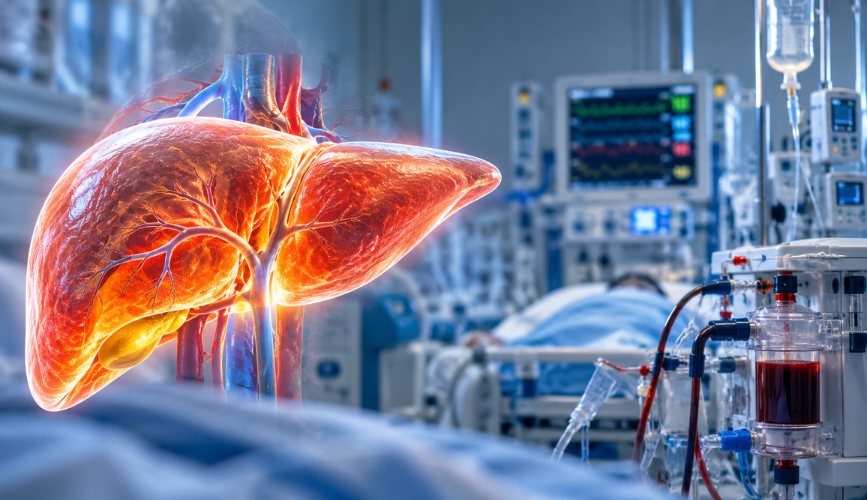
Medical liver critical care is intensive treatment for patients whose liver disease has led to a life-threatening complication. It differs from general intensive care because the liver influences almost every system in the body: clotting, blood pressure, kidney function, immunity, blood sugar, brain function, and the handling of drugs. A patient with advanced liver disease may look stable one moment and deteriorate rapidly the next. Care therefore needs clinicians who understand liver physiology and the particular ways in which these patients respond to treatment.
Who Needs It?
Liver critical care may be needed for people with:
- Cirrhosis complicated by bleeding, infection, confusion or kidney failure
- Acute liver failure caused by viruses, medicines, toxins or metabolic disease
- Acute-on-chronic liver failure, where a sudden trigger worsens existing liver disease
- Severe alcoholic hepatitis
- Severe drug-induced liver injury or paracetamol poisoning
- Complications after liver surgery, biopsy or procedures
- Liver disease in pregnancy, such as acute fatty liver or HELLP syndrome
Common Emergencies Managed
- Variceal bleeding: Vomiting blood or passing black stools from swollen veins in the food pipe or stomach. Treatment includes resuscitation, medicines to lower portal pressure, antibiotics and urgent endoscopic band ligation.
- Hepatic encephalopathy: Confusion, sleepiness or coma due to toxin build-up. Treatment includes finding and correcting triggers, lactulose, rifaximin and airway protection in severe grades.
- Spontaneous bacterial peritonitis and sepsis: Infections are a major trigger for deterioration. Early cultures, antibiotics and albumin can be life-saving.
- Hepatorenal syndrome and acute kidney injury: Managed with careful fluid strategy, albumin, vasoconstrictors such as terlipressin and, if needed, dialysis.
- Respiratory failure: From aspiration, pneumonia, fluid in the chest or lung complications of cirrhosis, sometimes needing oxygen support or a ventilator.
- Low blood pressure and shock: Requiring vasopressors and close haemodynamic monitoring.
- Coagulation problems: Interpreted carefully, since abnormal test results do not always mean a high risk of bleeding in cirrhosis.
- Electrolyte and sugar imbalances: Including low sodium, low potassium and low blood glucose.
How the Team Works
Care is delivered by a multidisciplinary team that may include hepatologists, intensivists, gastroenterologists and endoscopists, nephrologists, infectious disease specialists, interventional radiologists, dietitians, physiotherapists and critical care nurses. Transplant surgeons are involved early whenever recovery seems unlikely without a new liver. Daily team reviews keep treatment goals clear and adjust plans as the patient's condition changes.
Monitoring and Support
Patients are monitored continuously for heart rate, blood pressure, oxygen level, urine output and mental status. Frequent blood tests track liver function, kidney function, electrolytes, lactate, blood counts and clotting. Depending on the situation, treatment may include:
- Intravenous fluids and albumin, chosen carefully to avoid overload
- Vasopressors to support blood pressure
- Oxygen therapy, high-flow oxygen or mechanical ventilation
- Renal replacement therapy (dialysis) for kidney failure
- Early nutrition support, usually through the gut
- Prevention of pressure sores, clots and hospital-acquired infections
Principles That Guide Care
- Find and treat the trigger: Infection, bleeding, alcohol, medicines and viral flares are common precipitants.
- Avoid harm: Certain medicines, including some painkillers and sedatives, are dangerous in advanced liver disease and must be avoided or dosed carefully.
- Protect the brain and kidneys: These organs are especially vulnerable.
- Feed the patient early: Malnutrition worsens outcomes, so nutrition starts as soon as it is safe.
- Plan ahead: Early discussion of liver transplant, recovery goals and family wishes prevents delays.
The Role of Family
Families are key partners. They help provide medical history, including alcohol use, medicines, herbal products and previous illnesses. They also take part in decisions about procedures and long-term goals. Doctors should explain the condition in simple language, and families are encouraged to ask questions during daily updates.
Recovery and Beyond the ICU
Many patients recover from the critical phase and move to a ward, then home. Before discharge, teams plan medicines, diet, follow-up and warning signs. Patients with cirrhosis need regular monitoring, vaccination and cancer screening. Some patients require a liver transplant evaluation once they are stable, or even during the ICU stay.
When to Seek Emergency Care
Go to a hospital immediately for vomiting blood, black stools, severe confusion or drowsiness, high fever with abdominal pain, rapidly increasing yellowing, a sharp fall in urine output or breathing difficulty in someone with liver disease.

