




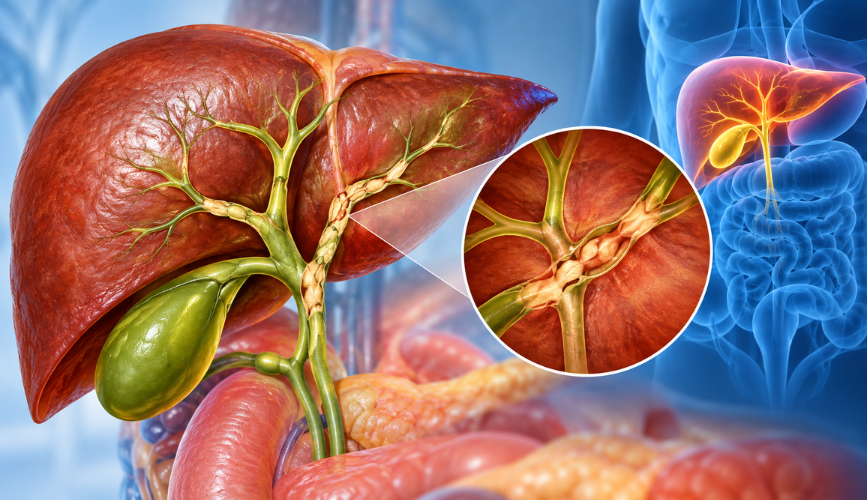
Primary Sclerosing Cholangitis
Primary sclerosing cholangitis (PSC) is a long-term disease of the bile ducts, the small tubes that carry bile from the liver to the intestine. In PSC, ongoing inflammation causes the ducts to scar and narrow in multiple places, resembling a "beaded" appearance on imaging. As bile cannot drain properly, it accumulates, damaging liver cells and eventually causing biliary cirrhosis and liver failure. The exact cause is unknown, though immune, genetic and environmental factors are believed to play a role.
Who Is Affected?
PSC most commonly affects adults between 30 and 50 years of age, and is more common in men. Up to about two-thirds or more of patients also have inflammatory bowel disease (IBD), most often ulcerative colitis, though Crohn's disease can also occur. Some patients are diagnosed with PSC first and later discover IBD, and vice versa. PSC can also affect children.
Symptoms
Many people have no symptoms initially and are discovered through abnormal liver tests. Symptoms may include:
- Fatigue
- Itching
- Pain in the upper right abdomen
- Fever and chills, indicating bile duct infection (cholangitis)
- Yellowing of eyes and skin
- Unintended weight loss
- Dark urine and pale stools
- In advanced disease, abdominal swelling, variceal bleeding and confusion
How Is It Diagnosed?
- Blood tests: Raised alkaline phosphatase and GGT are typical. Bilirubin may rise later.
- MRCP (magnetic resonance cholangiopancreatography): The main diagnostic test, showing strictures and dilatations in bile ducts.
- ERCP: A more invasive procedure, used mainly for treatment or to investigate suspicious narrowing.
- Liver biopsy: Helpful in small-duct PSC, overlap with autoimmune hepatitis or unclear cases.
- IgG4 testing: To rule out IgG4-related sclerosing cholangitis, which is treatable with steroids.
- Colonoscopy: Recommended at diagnosis to look for IBD.
- FibroScan: To estimate liver scarring.
Treatment
There is currently no medicine proven to cure PSC or stop its progression, and transplant remains the only definitive treatment for advanced disease. Care focuses on managing symptoms, treating complications and detecting cancer early.
- Ursodeoxycholic acid: Sometimes used, though its benefit is debated and dosing is individualised by the specialist.
- Itching: Managed with cholestyramine, rifampicin, naltrexone or sertraline.
- Bile duct strictures: Dominant strictures may be treated with endoscopic dilation or stenting by ERCP.
- Bacterial cholangitis: Treated promptly with antibiotics, and some patients may need preventive therapy.
- Nutritional and bone support: Vitamin A, D, E and K supplements if needed, plus calcium and osteoporosis care.
- IBD management: Coordinated care with a gastroenterologist.
- Liver transplant: Considered for cirrhosis with complications, recurrent infections or early bile duct cancer in selected protocols. Outcomes are generally good, though PSC can recur in some patients after transplant.
Cancer Surveillance
PSC increases the risk of certain cancers, so regular screening is essential:
- Cholangiocarcinoma (bile duct cancer): Suspected by rapid weight loss, jaundice or new strictures. Imaging and tumour markers such as CA 19-9 help detection.
- Gallbladder polyps and cancer: Monitored with ultrasound, with surgery advised for concerning lesions.
- Colorectal cancer: Patients with PSC and colitis should have colonoscopy every one to two years.
- Hepatocellular carcinoma: Screening every six months in cirrhosis.
Living With PSC
- Avoid alcohol, especially with advanced disease
- Maintain a balanced diet and healthy weight
- Stay active and follow bone health guidance
- Seek urgent care for fever with chills or jaundice
- Keep regular appointments for imaging, blood tests and colonoscopy
- Report new symptoms, especially weight loss or worsening itching, promptly
- Avoid unnecessary medicines and unregulated herbal products
Complications
PSC can cause recurrent bile duct infections, strictures, gallstones in the bile duct, cirrhosis, portal hypertension, osteoporosis, vitamin deficiencies and bile duct or colon cancer. The course varies widely, and some patients remain stable for many years.

