




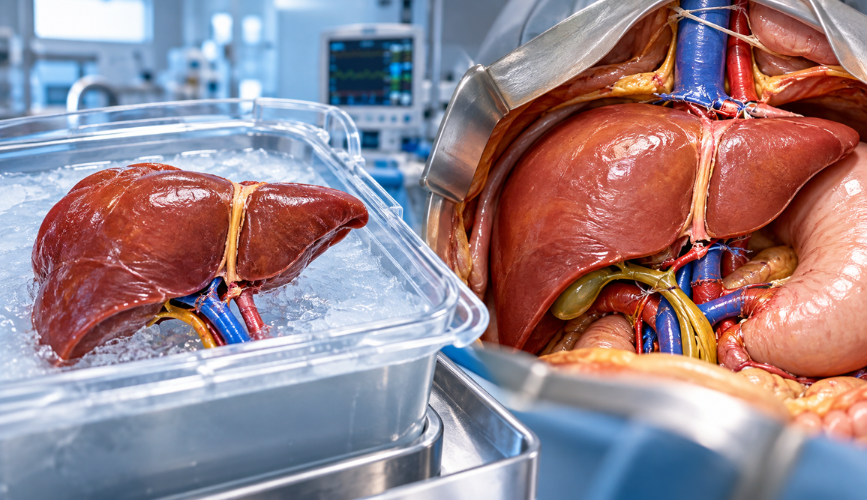
Deceased-Donor Liver Transplant
A deceased-donor liver transplant (DDLT) is a surgical procedure in which a diseased liver is removed and replaced with a whole liver donated by a person who has been declared brain-dead. The donor's family gives consent, and the gift of a liver can save the life of someone with no other treatment option. It is a well-established procedure and the standard option for many patients with advanced liver disease.
Who Needs a Deceased-Donor Liver Transplant?
Transplantation is considered when the liver can no longer perform its essential functions and medical treatment is not enough. Common indications include:
- Cirrhosis caused by hepatitis B or C, alcohol-related liver disease, or fatty liver disease (MASLD/NASH)
- Acute liver failure caused by viral infection, drugs, toxins, or autoimmune conditions
- Primary biliary cholangitis, primary sclerosing cholangitis and autoimmune hepatitis
- Liver cancer (hepatocellular carcinoma) within accepted criteria
- Metabolic and genetic conditions such as Wilson's disease and hemochromatosis
- Complications such as recurrent variceal bleeding, ascites, hepatic encephalopathy or hepatorenal syndrome
Evaluation and Waitlisting
Every patient goes through a thorough assessment before being listed. This typically includes blood tests, imaging (ultrasound, CT or MRI), heart and lung evaluation, endoscopy, infection screening, nutritional assessment, and psychological and social review. The transplant committee, made up of surgeons, hepatologists, anesthesiologists, and other specialists, then decides whether transplantation is the right option and when.
Once approved, the patient is registered on the waiting list as per the applicable state and national guidelines. Priority is generally determined by the severity of illness (often assessed using the MELD or PELD score), blood group compatibility, body size, and the urgency of the condition. Patients on the list must remain reachable and ready to come to the hospital at short notice.
The Transplant Procedure
When a suitable liver becomes available, the transplant team contacts the patient immediately. After final checks, the patient is taken to the operating room. The surgery is performed under general anesthesia and usually takes several hours. The surgeon removes the diseased liver and connects the donor liver to the patient's blood vessels and bile duct. The new liver begins working once blood flow is restored.
Recovery in the Hospital
After surgery, the patient is monitored closely in the intensive care unit, where liver function, blood flow, kidney function, and vital signs are checked frequently. Most patients move to a transplant ward within a few days and stay in hospital for around two to three weeks, depending on their condition. Physiotherapy, nutrition support and early mobilisation help recovery. Patients and families are trained in medications, hygiene, warning signs and follow-up schedules before discharge.
Life-Long Care and Immunosuppression
To prevent the immune system from rejecting the new liver, patients take immunosuppressive medicines, usually for life. Regular blood tests help doctors adjust doses and detect problems such as rejection, infection, or medication side effects early. A healthy diet, regular exercise, vaccination, avoidance of alcohol and tobacco, and consistent follow-up all support long-term graft health.
Benefits of Deceased-Donor Liver Transplant
- Offers a life-saving option when no living donor is available or suitable
- Involves no risk to a healthy donor
- Uses a whole liver, which can be well suited to larger adult recipients
- Can restore normal liver function, energy and independence
- Allows return to work, family life and everyday activities for many recipients
Risks and Considerations
As with any major surgery, risks include bleeding, infection, bile duct complications, blood clots in the graft vessels, rejection and side effects of immunosuppressants. Waiting times can vary, and some patients become sicker while waiting, which is why early referral and careful optimisation matter. Your team will discuss your individual risks and expected outcomes openly.
Why Choose Our Liver Transplant Program?
Our program brings together transplant surgeons, hepatologists, transplant anesthesiologists, critical care specialists, radiologists, pathologists, transplant coordinators, dietitians and counsellors under one roof. We focus on careful patient selection, meticulous surgical technique, infection control and personalised follow-up. Our coordinators support families with paperwork, registration and counselling throughout the journey.
Take the First Step
If you or a loved one has advanced liver disease, early referral gives you more time and more options. Contact our liver transplant team to schedule a consultation and evaluation.

