




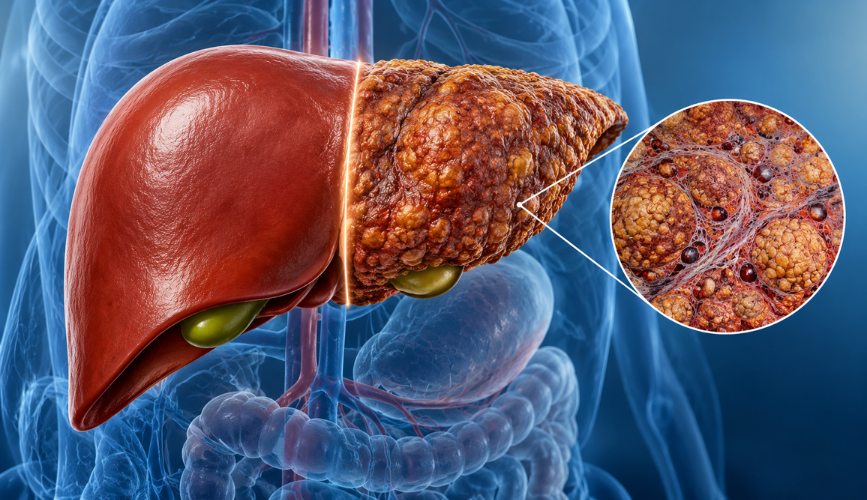
Cirrhosis
Cirrhosis is the late stage of chronic liver disease in which healthy liver tissue is progressively replaced by scar tissue (fibrosis) and regenerative nodules. The liver's structure changes, blood flow through it becomes restricted, and its ability to filter toxins, make proteins, and process nutrients declines. Cirrhosis develops silently over years, and many people have no symptoms until complications appear.
Causes of Cirrhosis
- Chronic hepatitis B and C: Long-standing viral infection
- Alcohol-related liver disease: Prolonged heavy drinking
- Fatty liver disease (MASLD/MASH): A growing cause linked to obesity and diabetes
- Autoimmune liver diseases: Autoimmune hepatitis, PBC and PSC
- Genetic and metabolic conditions: Hemochromatosis, Wilson disease and alpha-1 antitrypsin deficiency
- Chronic bile duct problems and blockages
- Certain medicines and toxins
- Vascular causes: Such as chronic heart failure or hepatic vein obstruction
- Cryptogenic: Cause remains unknown after evaluation
Stages: Compensated and Decompensated
- Compensated cirrhosis: The liver is scarred but still performs enough function. Patients may feel well or have mild symptoms, and can live for many years.
- Decompensated cirrhosis: Serious complications develop, such as ascites, variceal bleeding, jaundice, or hepatic encephalopathy. This stage carries a higher risk and needs urgent attention and consideration for transplant.
Symptoms
- Fatigue, weakness, and loss of appetite
- Nausea and unintended weight loss
- Muscle wasting
- Itching and easy bruising
- Yellow eyes and skin
- Swelling of feet and abdomen
- Red palms, spider-like blood vessels on the skin
- Confusion, poor sleep or drowsiness
- Vomiting blood or black stools
Major Complications
- Ascites: Fluid accumulation in the abdomen, which may become infected (spontaneous bacterial peritonitis)
- Variceal bleeding: Enlarged veins in the food pipe or stomach that can bleed heavily
- Hepatic encephalopathy: Confusion, altered sleep, and personality changes due to toxin buildup
- Hepatorenal syndrome: Kidney failure due to advanced liver disease
- Hepatocellular carcinoma: Liver cancer, more likely in cirrhosis
- Infections, malnutrition and blood clotting problems
- Portal hypertension and hypersplenism: Low platelet counts
How Is It Diagnosed?
- Blood tests: Liver function tests, albumin, INR, platelets and bilirubin
- Ultrasound and CT/MRI: Show liver shape, nodularity, spleen size, ascites and tumours
- FibroScan: Estimates liver stiffness
- Upper GI endoscopy: Checks for varices
- Liver biopsy: Needed only in selected cases
- Scores: Child-Pugh and MELD scores estimate severity and help plan care and transplant priority
Treatment
Cirrhosis care has three goals: treat the cause, prevent complications, and preserve quality of life.
- Treat the underlying disease: Antivirals for hepatitis B and C, complete alcohol abstinence, control of diabetes and weight, immunosuppressants or other specific treatments for autoimmune and metabolic causes.
- Ascites: Salt restriction, diuretics, therapeutic paracentesis and albumin as needed.
- Varices: Beta-blockers or endoscopic band ligation to prevent bleeding, and emergency treatment if bleeding occurs.
- Hepatic encephalopathy: Lactulose and rifaximin, plus treating triggers such as infection or constipation.
- Infections: Prompt antibiotics and preventive therapy in select patients.
- Nutrition: High-protein, adequate-calorie diet, with regular small meals and a late-evening snack to prevent muscle loss.
- Cancer screening: Ultrasound with or without AFP every six months.
- Vaccination: Hepatitis A and B, influenza, pneumococcal, and COVID-19 as recommended.
- Liver transplant: The definitive treatment for decompensated cirrhosis or liver cancer within criteria. Early referral improves the chance of success.
What Cirrhosis Patients Should Avoid
- Alcohol in any amount
- Painkillers such as NSAIDs and unnecessary sedatives
- Raw or undercooked shellfish
- Unverified herbal or "liver tonic" products
- Very salty foods and packaged snacks
- Fasting for long periods
Living Well With Cirrhosis
Regular follow-up, medicine adherence, daily light exercise, a nutritious diet, and prompt reporting of new symptoms make a big difference. Family support is important, especially for patients with confusion or fatigue. Seek emergency care for vomiting blood, black stools, high fever, severe confusion, or sharply reduced urine output.
Outlook
Outlook depends on the cause, stage, and how well complications are controlled. Many patients with compensated cirrhosis live for years, and treating the cause can sometimes reverse part of the scarring. Decompensation carries a higher risk, so early evaluation for transplant is advised.

