




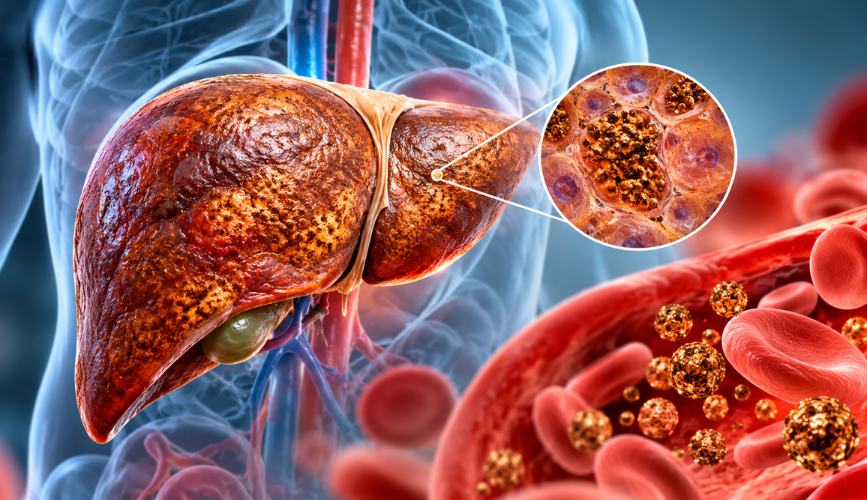
Hemochromatosis
Hemochromatosis is a disorder of iron metabolism in which the body absorbs more iron than it needs. Because humans cannot actively excrete extra iron, it accumulates gradually in tissues, particularly the liver, and can cause progressive organ damage. The most common form is hereditary hemochromatosis, caused by mutations in the HFE gene, although other genes can also be involved.
Types of Iron Overload
- Hereditary hemochromatosis: Inherited genetic disorder, most often due to HFE mutations such as C282Y and H63D. It is much more common in people of Northern European ancestry but does occur elsewhere, and non-HFE forms exist.
- Secondary iron overload: Results from repeated blood transfusions, thalassemia, certain anaemias, chronic liver disease or excessive iron supplementation. In India, iron overload from transfusion-dependent anaemias is a notable cause.
How the Condition Develops
Iron is essential for making haemoglobin, but too much is toxic. Excess iron generates harmful molecules that injure cells. In the liver, it can cause inflammation, fibrosis and cirrhosis, and it increases the risk of liver cancer. In the pancreas, it can damage insulin-producing cells and cause diabetes. In the heart, it can cause rhythm problems and heart failure.
Symptoms
Many people have no symptoms until middle age. Symptoms tend to appear in men in their 40s and 50s, and in women after menopause, since menstruation and pregnancy help remove iron. They may include:
- Chronic fatigue and weakness
- Joint pain, especially in the hands
- Abdominal pain
- Darkening or bronze colour of the skin
- Loss of sex drive, erectile dysfunction or irregular periods
- Increased thirst and urination due to diabetes
- Irregular heartbeat or breathlessness
- Enlarged liver
How Is It Diagnosed?
- Serum ferritin: Reflects total body iron stores, though it can also rise with inflammation or fatty liver.
- Transferrin saturation: A high level is a key early marker.
- Genetic testing: Confirms HFE mutations and helps screen family members.
- Liver imaging and MRI: T2* MRI can estimate iron in the liver and heart.
- FibroScan or liver biopsy: Assess fibrosis and cirrhosis.
- Additional tests: Blood sugar, heart evaluation and hormone assessment when organ involvement is suspected.
Treatment
- Therapeutic phlebotomy: The cornerstone of treatment. Blood is removed regularly, usually weekly at first, until ferritin reaches target levels. Maintenance sessions then continue every few months. Each unit of blood removes a significant amount of iron.
- Iron chelation therapy: Used when phlebotomy is not possible, such as in anaemic patients or those with secondary iron overload. Medicines bind iron and help remove it through urine or stool.
- Erythrocytapheresis: A newer technique that removes red cells selectively in specialised centres.
- Management of complications: Diabetes, heart disease, joint problems and hormonal deficiencies need appropriate treatment.
- Liver transplant: May be considered for advanced cirrhosis or liver failure, sometimes with additional organ evaluation.
Diet and Lifestyle
- Avoid iron supplements and vitamin C supplements unless advised by your doctor
- Avoid raw shellfish, which can carry infection risks in iron overload
- Avoid or limit alcohol, since it worsens liver damage
- Do not rely on strict dietary iron restriction alone, as diet cannot replace phlebotomy
- Stay physically active and maintain a healthy weight
- Get vaccinated against hepatitis A and B
Family Screening
Because hereditary hemochromatosis is genetic, first-degree relatives such as siblings and children should be offered screening with iron studies and, if appropriate, genetic testing. Early detection allows treatment before any organ damage occurs.
Complications
Untreated iron overload can result in cirrhosis, liver cancer, diabetes, heart failure, arthritis, hypogonadism and increased susceptibility to certain infections. People with cirrhosis need regular liver cancer screening.
Outlook
If diagnosed and treated before cirrhosis or diabetes develops, most people have normal life expectancy. Even after complications, treatment can improve many symptoms and slow progression. Lifelong monitoring is important.

