




Primary Biliary Cholangitis
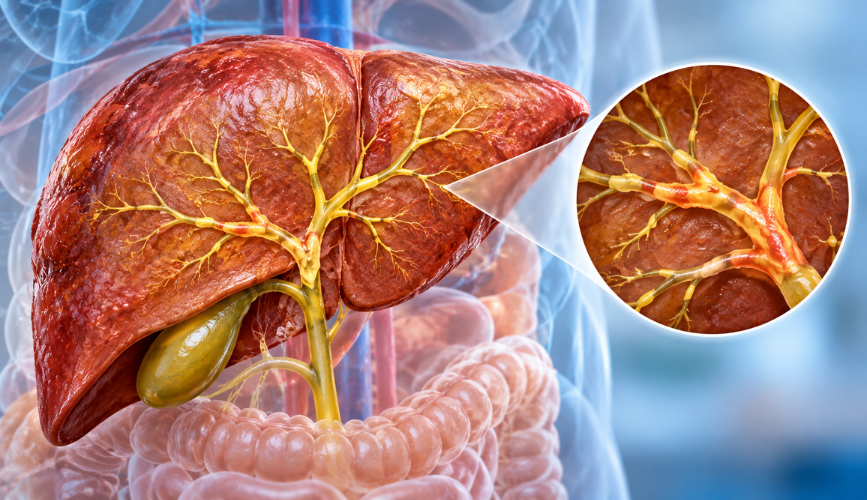
Primary biliary cholangitis (PBC), formerly called primary biliary cirrhosis, is a long-term autoimmune disease of the liver. The immune system attacks the small bile ducts inside the liver. Bile, a fluid that helps digest fats, then cannot drain properly and builds up, injuring liver cells. Over years, this causes fibrosis and, in some people, cirrhosis. The name was changed to "cholangitis" because many patients never develop cirrhosis, especially when treated early.
Who Is Affected?
PBC most often affects women, typically between the ages of 40 and 60, although men and younger people can also develop it. It is more common in people with other autoimmune conditions such as thyroid disease, Sjögren's syndrome, rheumatoid arthritis or scleroderma. Genetics, environmental exposures and infections may all contribute.
Symptoms
Many patients have no symptoms when the disease is found through routine blood tests. Over time, symptoms may develop:
- Fatigue: The most common symptom, often out of proportion to disease severity
- Itching (pruritus): Especially at night, often affecting the hands and feet
- Dry eyes and dry mouth
- Upper right abdominal discomfort
- Yellowing of eyes and skin: Usually in later stages
- Fat deposits under the skin (xanthomas) and darkening of skin
- Bone thinning (osteoporosis) and bone pain
- Fatty stools and vitamin deficiencies in advanced disease
In cirrhosis, patients can also develop swelling of the abdomen and legs, variceal bleeding and confusion.
How Is It Diagnosed?
Diagnosis is usually made when two of the following three are present:
- Raised alkaline phosphatase (ALP) with cholestasis, lasting more than six months
- Anti-mitochondrial antibodies (AMA) in the blood, or other PBC-specific antibodies
- Typical liver biopsy findings, when needed
Additional tests include:
- Liver function tests, bilirubin, IgM and cholesterol levels
- Ultrasound or MRI cholangiography (MRCP) to exclude bile duct blockage or PSC
- FibroScan to assess liver stiffness
- Bone density scan
- Screening for thyroid disease and other autoimmune conditions
Biopsy is often unnecessary when AMA is positive and other findings are typical.
Treatment
There is currently no complete cure apart from liver transplant, but treatment can slow the disease significantly.
- Ursodeoxycholic acid (UDCA): The first-line treatment, taken lifelong. It improves bile flow, reduces liver injury and slows progression. Response is assessed after about a year through liver tests.
- Second-line medicines: For patients who respond poorly or cannot tolerate UDCA, options such as obeticholic acid, fibrates or newer targeted agents may be considered by specialists.
- Managing itching: Cholestyramine, rifampicin, naltrexone or other medicines, depending on severity.
- Managing fatigue and dry symptoms: Address sleep, thyroid, mood and anaemia. Use artificial tears and saliva substitutes for dryness.
- Bone health: Calcium, vitamin D, weight-bearing exercise and treatment of osteoporosis when needed.
- Vitamin supplementation: Vitamins A, D, E and K if levels are low.
- Liver transplant: For advanced liver failure, severe complications or intractable itching. Outcomes are generally good, though PBC can rarely recur in the new liver.
Lifestyle and Self-Care
- Avoid alcohol, especially with advanced disease
- Eat a balanced, nutritious diet with adequate calcium and vitamin D
- Stay physically active and avoid smoking
- Keep skin moisturised and avoid hot baths if itching is troublesome
- Maintain vaccinations, including hepatitis A and B
- Discuss all medicines and supplements with your doctor
- Attend regular follow-ups and tests
Monitoring and Complications
Regular blood tests and imaging assess treatment response and disease stage. Patients with cirrhosis should be screened for oesophageal varices and for liver cancer every six months. Possible complications include osteoporosis, high cholesterol, vitamin deficiencies, portal hypertension and liver failure.
Pregnancy
Many women with well-controlled PBC can have successful pregnancies. Planning ahead with your liver specialist ensures medicines are adjusted appropriately and the disease is monitored during and after pregnancy.
Outlook
Patients who start UDCA early and respond well often have a life expectancy close to that of the general population. Those diagnosed late or with poor response face a higher risk of progression, which is why regular monitoring and timely referral are important.

