




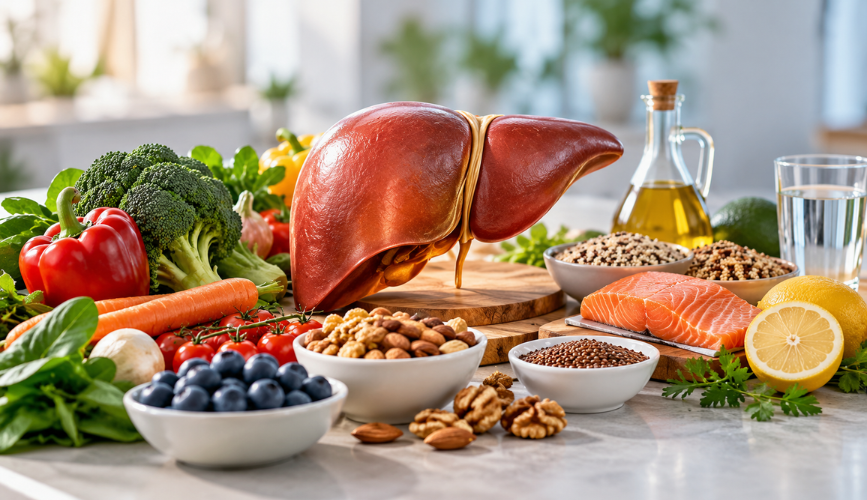
Dietary Management
The liver stores energy, processes nutrients and makes proteins. When it is diseased, the body handles food differently. Some patients carry too much fat in the liver, while others become malnourished and lose muscle even when they look well fed. Malnutrition and muscle loss (sarcopenia) are common in cirrhosis and are linked with more infections, more complications and poorer survival. A good diet is therefore treatment, not just advice.
Fatty Liver Disease
- Reduce calories gently: Aim for gradual weight loss of about 7 to 10 percent of body weight over several months.
- Follow a Mediterranean-style pattern: Vegetables, fruits, whole grains, pulses, nuts, seeds and healthy oils such as olive, mustard or groundnut oil in moderation.
- Cut sugar: Avoid sweetened drinks, packaged juices, sweets and excess refined flour.
- Limit fried and processed food: Namkeen, bakery items, fast food and deep-fried snacks add fat and calories.
- Include protein: Dal, curd, paneer, eggs, fish and lean meat help preserve muscle while losing weight.
- Coffee: Regular unsweetened coffee has been linked with better liver outcomes in several studies, if your doctor has no objection.
Cirrhosis
Contrary to older advice, people with cirrhosis should not restrict protein.
- Adequate calories: Usually around 35 kcal per kg of ideal body weight per day, adjusted by your dietitian.
- Adequate protein: Usually 1.2 to 1.5 g per kg per day, including in patients who have had hepatic encephalopathy.
- Small frequent meals: Eating every 3 to 4 hours prevents the body from breaking down its own muscle.
- Late-evening snack: A snack with complex carbohydrate and protein before bed reduces overnight fasting.
- Salt restriction: For patients with ascites or swelling, sodium is typically limited to about 2 g per day (roughly 5 g of salt). Avoid pickles, papad, chips, instant noodles, processed cheese and canned foods. Do not restrict salt so severely that food becomes unpalatable and intake falls.
- Fluids: Usually not restricted unless blood sodium is very low.
- Vegetable proteins and dairy: Well tolerated and useful, especially in patients who are sensitive to meat.
Other Liver Conditions
- Wilson disease: Limit very high-copper foods such as shellfish, organ meats, nuts, chocolate and mushrooms, especially early in treatment.
- Hemochromatosis: Avoid iron and vitamin C supplements and raw shellfish. Diet alone cannot replace phlebotomy.
- Cholestatic diseases (PBC, PSC): May need fat-soluble vitamin supplements (A, D, E, K), calcium and vitamin D.
- Acute hepatitis: Light, easily digested meals and plenty of fluids. There is no need to avoid oil or turmeric entirely, but avoid alcohol.
Foods and Habits to Avoid
- Alcohol in any form, especially in cirrhosis
- Raw or undercooked shellfish and street food of doubtful hygiene
- Herbal "liver tonics", detox powders and high-dose supplements without medical advice
- Long fasting, extreme dieting and skipping breakfast
- Excess salt, sugar and ultra-processed foods
Food Safety
Patients with liver disease are more prone to infection, so wash hands and fruit, drink clean water, refrigerate leftovers and avoid stale or uncovered food. This matters particularly in cirrhosis.
Working With a Dietitian
Every patient's needs differ by disease, weight, kidney function, diabetes and appetite. A dietitian can make an individual plan using foods you already eat, adjust it for vegetarian or non-vegetarian habits and budget, and review it as your condition changes. If eating by mouth is not enough, oral nutrition supplements or tube feeding may be added.
Practical Tips
- Plan meals ahead and keep healthy snacks at hand
- Read labels for salt, sugar and fat
- Use herbs, lemon, garlic and spices instead of salt
- Cook by steaming, grilling, boiling or light sautéing
- Weigh yourself regularly and report sudden changes
- Do not attempt rapid weight loss, as this can worsen liver inflammation
When to Seek Advice
Contact your doctor if you have loss of appetite, unexplained weight loss, muscle wasting, vomiting, diarrhoea or increasing swelling.

